
What do ski goggle filter categories mean?
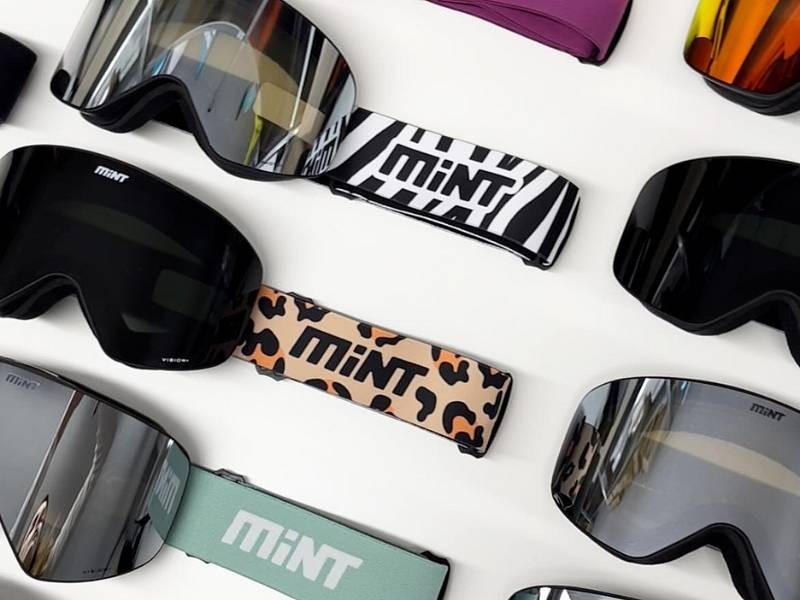
Filters are divided into categories from 0 to 4, depending on how much light the goggles let through:
Filters are divided into categories from 0 to 4, depending on how much light the goggles let through:
- Category 0: very light lenses, intended for night skiing or very overcast days.
- Category 1: slightly tinted lenses, suitable for cloudy weather and fog.
- Category 2: all-round lenses for moderate sunlight, best for changing conditions.
- Category 3: darker lenses, ideal for sunny days and high altitudes.
- Category 4: very dark lenses, used less often, mainly for extreme conditions (high mountains, glaciers). They are not recommended for normal skiing, as they can reduce visibility too much.
Additional lens technologies
Besides the filter, also look at other features:
- UV protection: essential to protect your eyes from harmful rays.
- Polarisation: reduces glare, especially in strong sunlight.
- Photochromic lenses: adapt to the light (they change filter category depending on the conditions).
- Anti-fog systems: prevent the goggles from fogging up.
Compatibility with the rest of your gear
Make sure the goggles fit well with your helmet and don't cause uncomfortable pressure points. Comfort is especially important with kids' models.
Summary
- For night skiing and fog: filter 0–1.
- For changeable weather: filter 2.
- For sunny days: filter 3.
- For extreme mountain conditions: filter 4.
Tip: if you often find yourself in varying weather conditions, choose goggles with photochromic technology so you are ready for anything.